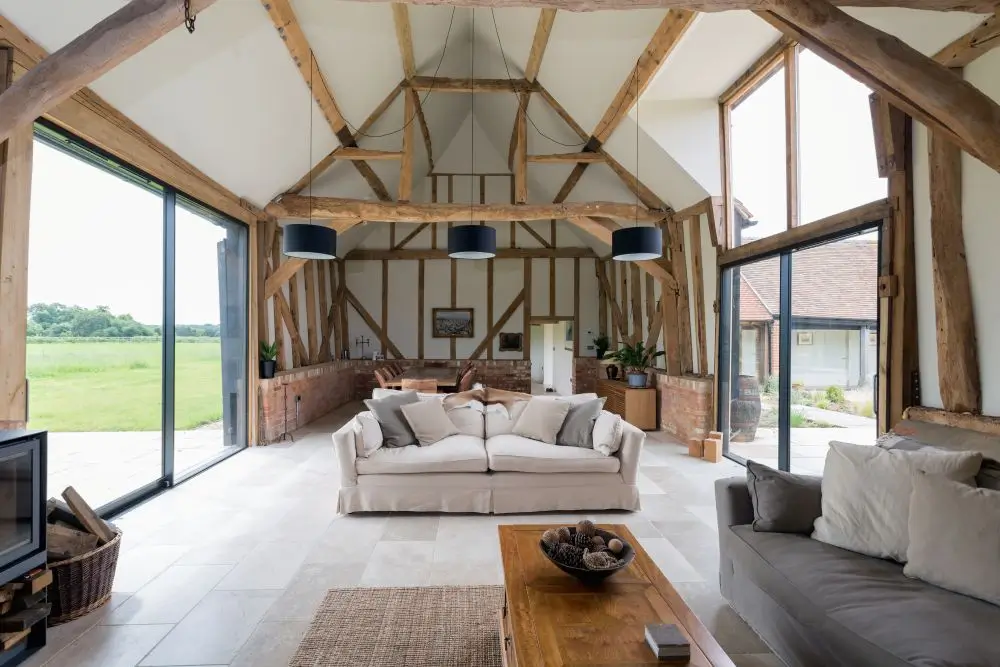
Interior Design for Period Homes : Blending Modern & Traditional
The challenge of blending modern design with traditional features is one that many homeowners face—especially in Surrey and Hampshire, where historic cottages, Georgian townhouses, and converted barns sit alongside contemporary renovations. Striking the right balance is about enhancing period charm while introducing the comfort, efficiency, and clean aesthetics of modern interiors.
This guide explores how to mix old and new in a way that feels cohesive rather than forced with a focus on timeless interior design for period homes.
Why Mix Modern and Traditional Styles?
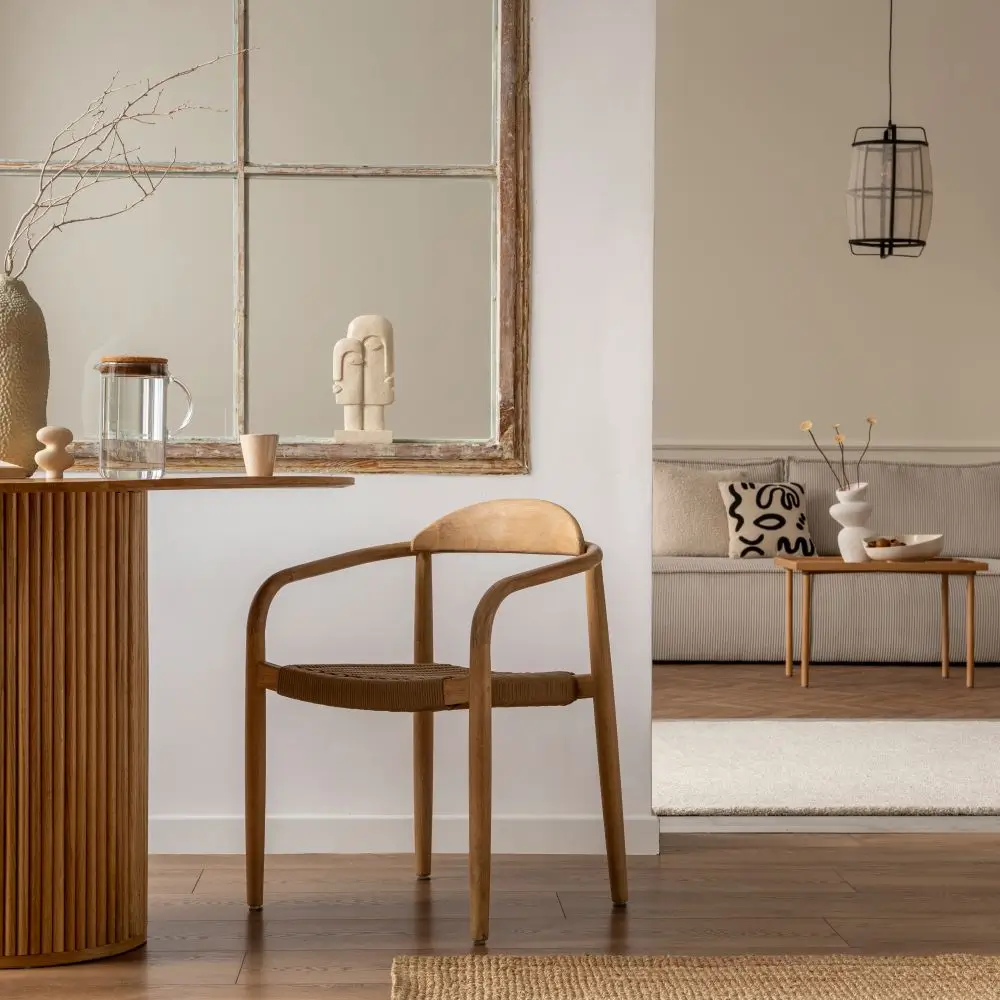
A purely traditional home can feel heavy and dated, while a fully modernised space in a historic setting can lose warmth and character. The key is to blend heritage elements with contemporary materials, layouts, and technology to create a home that feels authentic, functional, and stylish.
Benefits of a Mixed-Style Approach:
- Preserves the character of the home while making it more liveable.
- Enhances natural light and space without stripping period details.
- Allows flexibility—classic homes can embrace modern minimalism, and modern homes can incorporate historic charm.
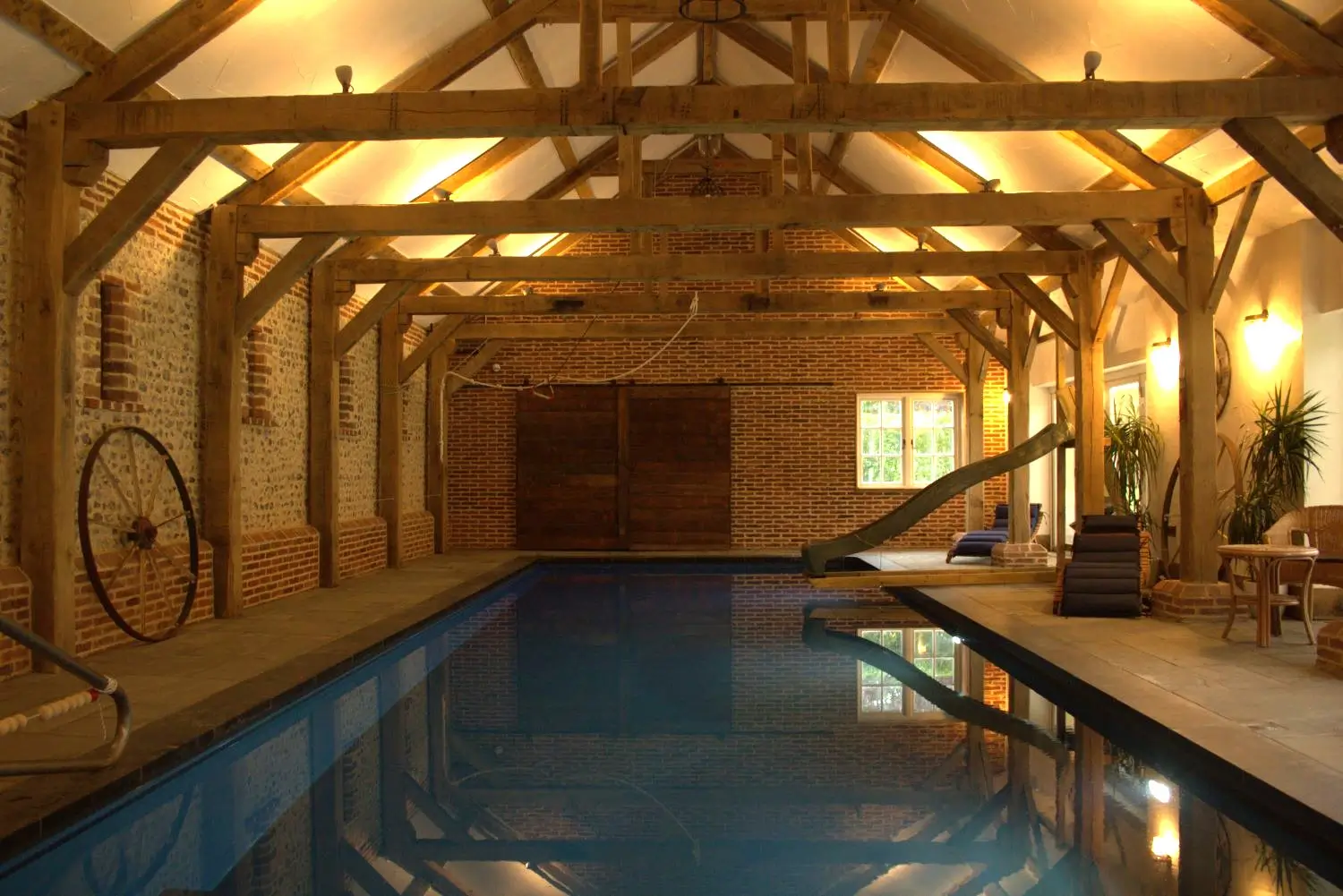
Example: A new-build flint and oak barn (image below) in Rowlands Castle, Hampshire, seamlessly blends traditional craftsmanship and materials with contemporary design, featuring exposed timber beams and historic-style brickwork. A luxurious indoor swimming pool enhanced by modern lighting, elegant tiling and thoughtfully curated furnishings.
Key Principles for Blending Old & New
1. Respect Architectural Features
The bones of a period property should guide the design. Retain original fireplaces, beams, cornicing, or exposed brickwork, using modern touches to complement rather than overshadow them.
- Keep traditional materials like stone or wood visible while pairing them with sleek modern finishes.
- Use contemporary lighting to highlight heritage features, such as spotlights on an original fireplace or a statement pendant in a beamed living room.
- Avoid covering period details with excessive modern cladding—let the old and new coexist naturally.
Example: A Georgian townhouse in Guildford maintains its ornate ceiling rose and panelling but adds a modern floating staircase to create contrast.
2. Choose a Cohesive Colour Palette
A balanced colour scheme helps tie modern and traditional elements together.
- For period homes, neutral tones like warm whites, soft greys, and earthy greens maintain a timeless elegance while allowing modern furnishings to stand out.
- For modern extensions on period properties, contrast muted tones with rich textures like aged brass, marble, and natural wood to bridge the two styles.
Example: A Victorian terrace renovation in Farnham pairs deep navy Shaker-style cabinetry with white quartz worktops, creating a classic yet fresh kitchen.
3. Mix Traditional Materials with Contemporary Finishes
Blending classic materials with modern textures creates a harmonious look.
- Exposed brick + Glass: A bare brick wall with sleek glass partitions in a converted farmhouse.
- Reclaimed wood + Polished Concrete: A reclaimed timber dining table paired with polished concrete flooring in a barn conversion.
- Stone + Metal: An original flagstone floor with brushed brass or black steel accents for a sophisticated contrast.
Example: A cottage in Haslemere retains its rustic beams, but instead of a country-style kitchen, it features a sleek handleless design in matte black for a striking mix.
4. Rethink Layouts Without Losing Character
Older homes tend to have smaller, compartmentalised rooms, while modern design favours open-plan living.
- If knocking down walls, retain some period framing or architraves to maintain heritage charm.
- Use half-walls, internal Crittall-style doors, or exposed beams to define spaces without losing openness.
- Consider glass rooflights or steel-framed doors to modernise extensions without overpowering the original structure.
Example: A farmhouse near Alresford retains its traditional dining room, but an open-plan kitchen extension with full-height windows gives it a modern edge.
5. Lighting: Blending Period Charm with Modern Ambience
Lighting is one of the easiest ways to bridge the gap between classic and contemporary styles.
- Use contemporary chandeliers or statement pendants in rooms with high ceilings or original beams.
- Wall-mounted uplighters can highlight decorative plasterwork or stone textures.
- Industrial or minimalist fittings work well in traditional spaces to avoid an overly ‘vintage’ feel.
Example: A Tudor cottage with low ceilings uses discreet recessed lighting to brighten the space while keeping the original timber beams the focal point.
How to Modernise Period Spaces Without Losing Character
Kitchens: Marrying Classic and Contemporary
The kitchen is one of the most common areas where modern and traditional designs meet.
- Retain classic elements like a butler sink or traditional cabinetry, but introduce modern quartz worktops or sleek hardware.
- If the home has exposed brick or timber, let it contrast against minimalist appliances.
- For an ultra-modern feel, mix heritage paint colours with contemporary lighting and brass fixtures.
Example: A country kitchen in Petersfield retains its exposed beams but adds handleless cabinetry and smart storage solutions for a seamless mix of old and new.
Bathrooms: Classic Foundations with Contemporary Touches
A period home’s bathroom can be updated with modern fixtures while keeping its historic feel.
- Pair a roll-top bath with a sleek glass shower enclosure.
- Use Victorian-style tiles with modern floating vanity units.
- Incorporate soft brass, nickel, or matt black fittings instead of shiny chrome for a more heritage-inspired look.
Example: A Victorian terrace in Southampton features original encaustic tiles but introduces a freestanding bath and rainfall shower for modern comfort.
Examples of Homes That Blend Traditional & Contemporary
- Converted Barn near Winchester: Retains exposed beams and flagstone flooring but introduces sleek glass partitions and underfloor heating.
- Georgian Townhouse in Guildford: Maintains panelled walls and sash windows but updates the kitchen with a modern colour palette and statement lighting.
- Cottage in Haslemere: Keeps low ceilings and original fireplaces but opens up the space with glazed internal doors.
These homes show how thoughtful design can balance heritage with modern functionality, creating spaces that feel both timeless and fresh.
Final Thoughts: The Key to a Successful Blend
The art of mixing modern and traditional designs lies in respecting original features while embracing contemporary comfort.
- Preserve key architectural elements—fireplaces, staircases, exposed beams.
- Choose a cohesive colour palette to link period and modern design.
- Use lighting to blend old and new, ensuring a warm, inviting space.
- Introduce contemporary layouts and materials, but avoid stripping out too much character.
Whether you’re renovating a historic townhouse or modernising a country cottage, balancing these two styles creates a home that feels authentic, stylish, and functional.
When restoring period homes, you may also want to consider specialist design tips for historic homes to maintain authenticity while updating functionality
If you’re planning an interior refresh, explore our heritage interior design services, where we specialise in harmonising classic homes with modern living.