Period Home Restoration: Interior Design for Historic Homes
Renovation, restoration and building work are deeply intertwined with interior design for historic homes, shaping both the aesthetics and functionality of a space.
For example, restoring a Georgian townhouse with damaged ceilings may involve traditional lath and plaster to preserve authenticity, while interior design adapts the space for modern living with open-plan elements or discreet storage solutions.
Whether it’s a Tudor cottage, Georgian townhouse, or Victorian terrace, each period home presents unique challenges and opportunities in balancing heritage with practicality. Many heritage properties require careful attention to structural integrity, insulation upgrades, and the restoration of original features.
This guide explores practical, historically sympathetic approaches to period home restoration—showing homeowners how to preserve traditional details and integrate modern, energy-efficient solutions without compromising a property’s character.
Homes in conservation areas often have strict planning requirements that influence restoration and design choices. Learn more about the unique considerations for interior design in conservation areas in Surrey and Hampshire.
Understanding Period Homes & Their Challenges
Before planning a restoration project, it’s important to understand the architectural styles and restoration challenges that shape interior design for historic homes.
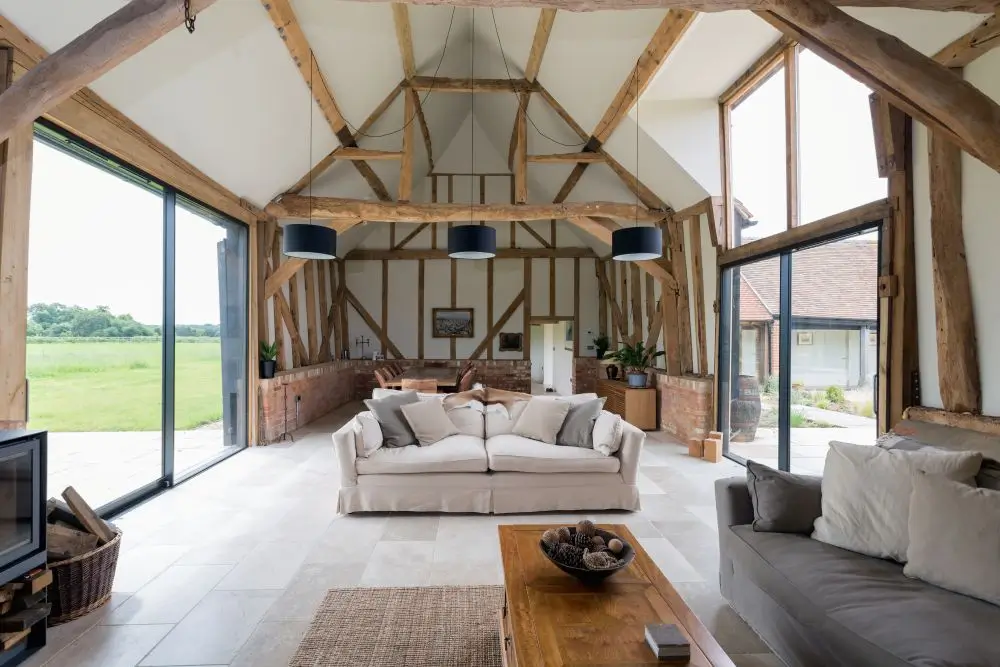
Tudor & Elizabethan Homes
Features: Exposed timber beams, wattle-and-daub walls, steeply pitched roofs.
Restoration Challenges:
- Homeowners often need to clean and treat exposed beams, but over-sanding can remove their natural patina.
- Wattle-and-daub walls perform best with breathable materials, while modern drywall and cement can trap moisture and cause damage.
Solutions:
- Retain original beams and clean them gently, using whitewash if they have darkened over time.
- Apply lime plaster to internal walls instead of synthetic materials.
Georgian Homes
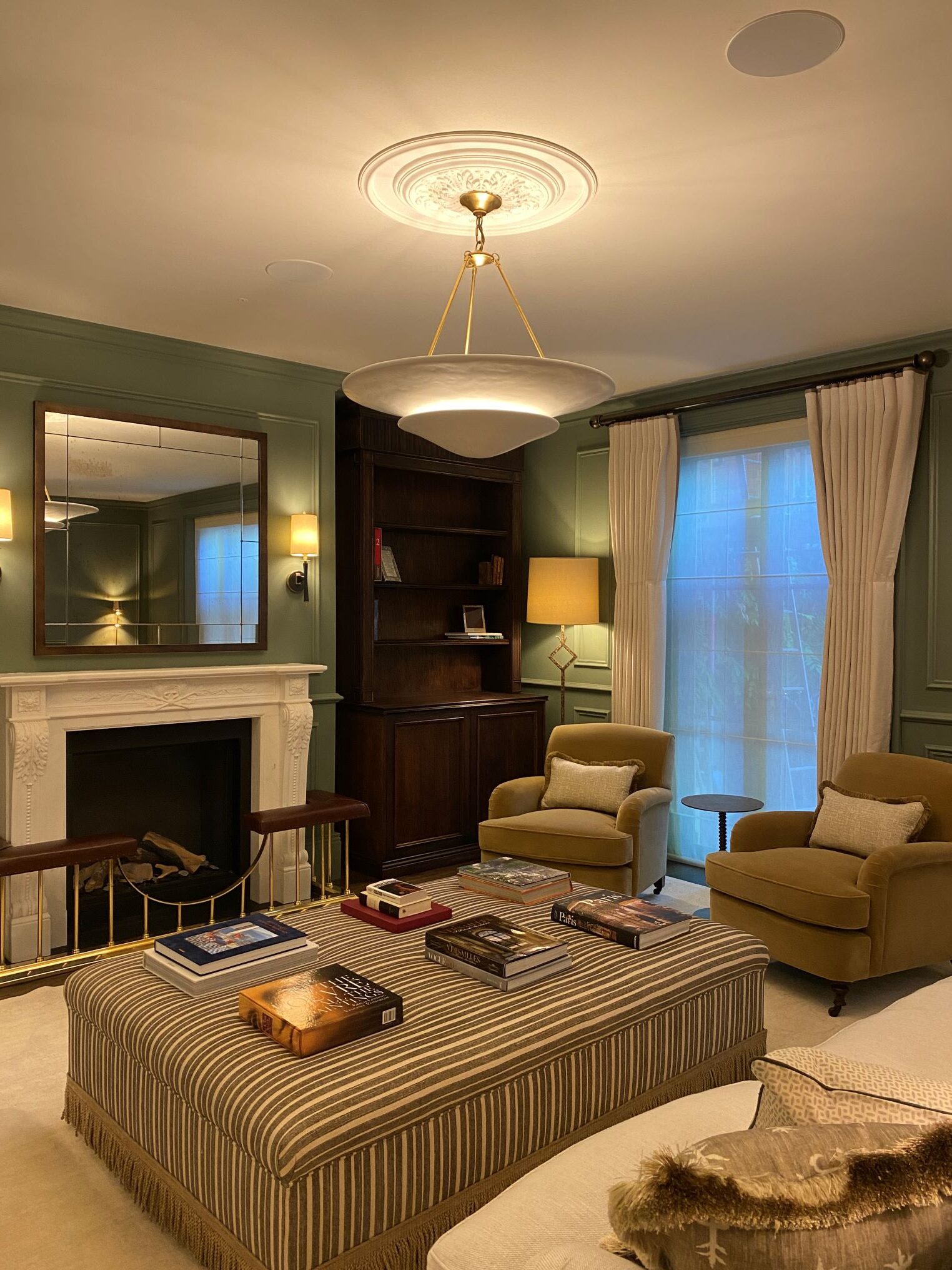
Features: Symmetrical facades, sash windows, high ceilings, ornate fireplaces.
Restoration Challenges:
- Original single-glazed sash windows often contribute to heat loss.
- Decades of wear can damage decorative plasterwork and cornicing.
Solutions:
- When replacing sash windows, choose conservation-approved double glazing.
- Repair cornicing and ceiling roses with traditional lime plaster rather than modern gypsum-based alternatives.
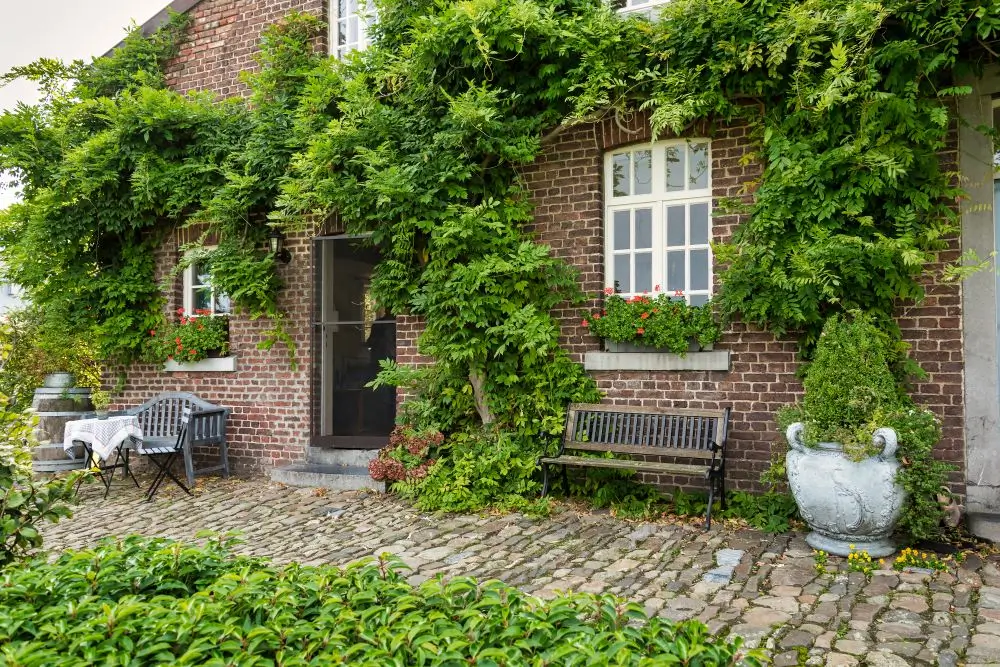
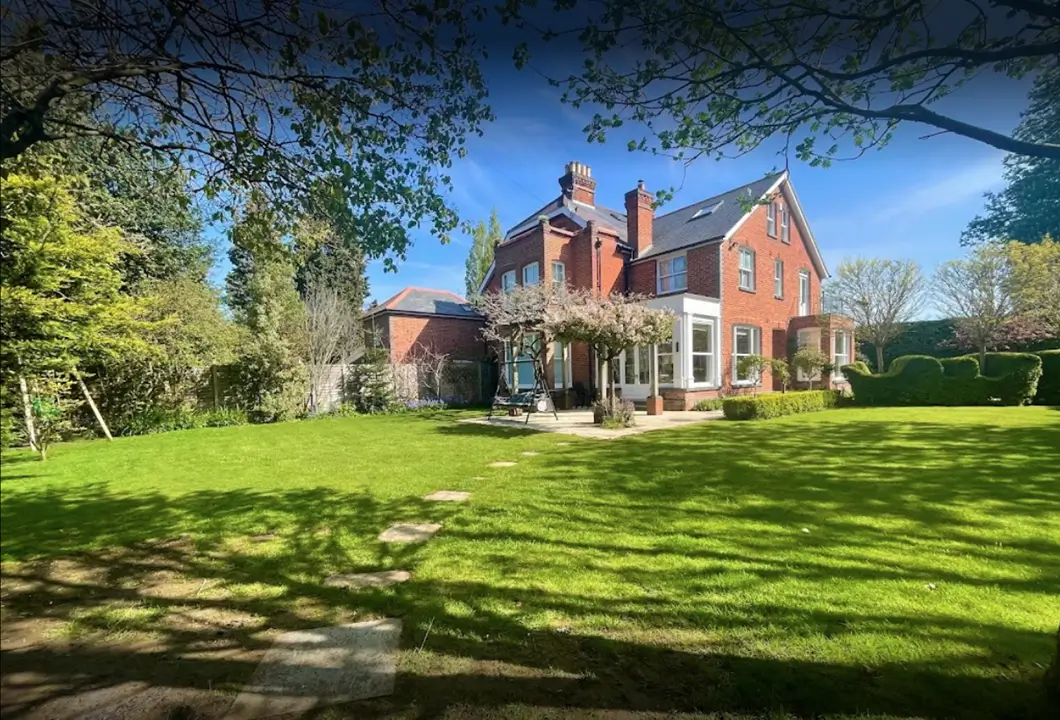
Victorian & Edwardian Homes
Features: Bay windows, decorative brickwork, high skirting boards, intricate stucco detailing.
Restoration Challenges:
- Older foundations can create damp issues that require careful investigation and treatment.
- Previous renovations often left fireplaces bricked up or concealed.
Solutions:
- Assess ventilation before installing damp-proofing systems, as traditional brick walls need to breathe.
- Restore original fireplaces wherever possible instead of replacing them with modern alternatives.
Preserving Heritage While Introducing Modern Comforts
A successful period home restoration enhances original features while improving comfort, efficiency and everyday practicality.
Windows & Doors: Preserve Character, Improve Efficiency
Many original timber sash windows use single glazing, which can reduce thermal efficiency and increase heat loss.
Restore original windows wherever possible rather than replacing them. Modern secondary glazing can improve insulation without altering the original frames.
Retain solid timber doors where possible and add discreet weatherproofing measures to improve performance while preserving their historic character.
Tip: When replacing windows, choose timber-framed double-glazed sash windows that comply with conservation regulations and complement the property’s original design.
Flooring: Restoring vs. Replacing
Period homes often have wooden floorboards, stone flagstones, or original tiles, many of which can be restored instead of replaced.
- For timber floors, sanding and re-oiling bring out the wood’s natural beauty.
- Underfloor heating beneath stone or flagstone floors adds warmth without compromising historical authenticity.
Tip: Avoid using modern laminate or vinyl in a period property—reclaimed wood or limestone better preserves authenticity.
Kitchens & Bathrooms: Modern Convenience Without Losing Charm
Kitchens and bathrooms in period homes often require the most updates, but they should still respect the home’s character.
- Georgian homes: Shaker-style cabinetry in muted tones works well with period detailing.
- Victorian homes: Retain original tiling where possible, and introduce classic fittings such as freestanding roll-top baths.
Tip: Instead of modern built-in kitchens, consider freestanding cabinetry, which is more in keeping with older properties.
Energy Efficiency in Period Homes
Many heritage homes were built long before modern energy regulations, making insulation and heating upgrades essential.
Insulation Without Damaging Breathability
- Use natural insulation like sheep’s wool—it’s breathable and ideal for heritage properties.
- Avoid modern cavity wall insulation in solid brick houses, as it can cause damp issues.
Tip: Use lime-based paints and plasters instead of synthetic alternatives to maintain breathability in older walls.
Heating Upgrades for Period Homes
- Underfloor heating works well beneath stone and tile floors without altering the aesthetics.
- Zoned heating systems allow you to heat individual rooms rather than the entire house, reducing energy costs.
- Solar panels & heat pumps: These are great sustainable upgrades, but planning permission may be required in conservation areas.
Tip: Check local planning rules before installing solar panels or external heat pumps in protected areas.
Key Design Principles for Period Home Restoration
1. Embrace the Architecture
- Preserve original fireplaces, staircases, and decorative cornicing rather than replacing them.
- Retain or restore exposed beams—if darkened over time, limewash instead of sanding.
Example: A Victorian home with an original fireplace surround can be restored and paired with a modern log burner to blend heritage with modern efficiency.
2. Opt for Natural Materials
- Use reclaimed wood, stone, and traditional lime plaster to maintain authenticity.
- Avoid synthetic finishes like PVC windows—opt for conservation-approved materials.
Example: In a Georgian townhouse, solid oak flooring complements period detailing while offering durability.
3. Improve Layout Without Compromising Character
Older homes often have compartmentalized layouts—modern updates should respect the original proportions.
- If opening up spaces, retain period doorways, architraves, or decorative mouldings.
- Use glazed internal doors to improve light flow without removing structural elements.
Example: In a Tudor cottage, removing non-original partition walls improves flow while maintaining exposed beam structures.
Final Thoughts
Restoring a period home is about preserving historical craftsmanship while introducing subtle modern upgrades.
- Prioritise restoration over replacement – repairing original doors, windows, and floors retains authenticity.
- Upgrade heating and insulation carefully, ensuring older walls remain breathable.
- Respect architectural details, ensuring that any modern additions enhance rather than overpower historic charm.
By understanding the unique challenges of different architectural styles and implementing thoughtful interior design for historic homes solutions, you can create a home that honours the past while embracing the present.
For expert guidance in achieving this balance, our Interior Designers for period homes can help transform your historic property into a harmonious blend of tradition and modernity.