Building Regulations Principal Designer Services
At Fingerprintstudios Architects, we provide Building Control Principal Designer services, helping clients, designers and contractors manage design compliance with the Building Regulations throughout a building project.
The Principal Designer role places greater emphasis on responsibility, competence and coordination during the design process. Acting as Principal Designer, we can help coordinate the design team, identify applicable Building Regulations requirements and support a clear, structured approach to demonstrating compliance as the design develops.
Our architectural and technical experience enables Building Regulations considerations to be integrated into the wider design process from an early stage.
Talk to our team about your project
Let’s discuss your next project

Coordinating Building Regulations Compliance Through Design
Building Regulations affect numerous aspects of a project, from structure, fire safety and ventilation to energy efficiency, accessibility and the performance of materials and building systems.
Effective compliance therefore requires more than reviewing drawings immediately before a Building Control submission. It requires designers to understand how their individual work contributes to the performance and compliance of the building as a whole.
As Building Regulations Principal Designer, Fingerprintstudios can plan, manage and monitor the design work within the scope of our appointment and coordinate designers to support compliance with the relevant Building Regulations.
What Is a Building Regulations Principal Designer?
The Building Regulations Principal Designer is a dutyholder appointed by the client where a project involves, or is likely to involve, more than one designer.
The role forms part of the dutyholder framework established under the Building Regulations. It is intended to create greater clarity around responsibility for design compliance and ensure that Building Regulations requirements are actively considered and coordinated throughout the design process.
The Principal Designer must have the appropriate competence to carry out the role. Where an organisation is appointed, it must have the appropriate organisational capability.
The role involves planning, managing and monitoring the design work during the design phase and coordinating matters relating to design work so that, if the building work is carried out in accordance with the design, it complies with the Building Regulations.
For clients, appointing an experienced Principal Designer provides a clearly identified party responsible for coordinating Building Regulations compliance across the design team.
What Are the Building Control Principal Designer Duties?
The Principal Designer has important responsibilities relating to the coordination and management of design work.
A central part of the role is to plan, manage and monitor design work during the design phase and coordinate the work of the project’s designers.
This includes taking reasonable steps to ensure that designers involved in the project comply with their own duties and that design work is coordinated effectively.
Depending upon the nature and complexity of the project, Principal Designer duties can include:
- Planning, managing and monitoring design work during the design phase.
- Coordinating designers and their respective design responsibilities.
- Considering how the different elements of the design interact in relation to Building Regulations compliance.
- Taking reasonable steps to ensure designers fulfil their relevant duties.
- Supporting effective communication between the client, designers and contractors.
- Identifying Building Regulations requirements relevant to the proposed design.
- Helping ensure appropriate information is provided and shared between dutyholders.
- Reviewing how design changes may affect compliance.
- Maintaining an appropriate record of key design and compliance decisions.
- Liaising with the Principal Contractor where design and construction responsibilities overlap.
- Questioning aspects of design to ensure compliance with the Building Regulations.
The extent of these activities will depend upon the project’s scale, complexity, procurement route and design team.
When Do You Need a Building Regulations Principal Designer?
Where a project involves more than one designer, the client is required to appoint a Principal Designer to control the design work.
The definition of a designer is broader than simply an architect or architectural designer. Other consultants, contractors and specialists may undertake design work as part of a building project. The designer with ultimate design responsibility and the greatest inut in to the design solution is often best placed to fulfill this role.
A seemingly straightforward extension or refurbishment can therefore involve several designers.
For example, a project might include architectural design alongside structural engineering, drainage design, mechanical and electrical design or specialist elements designed by contractors.
It is therefore important to establish the project’s dutyholder requirements early rather than waiting until construction is about to begin.
Making the appointment at an appropriate stage also allows the Principal Designer to establish how Building Regulations compliance will be coordinated throughout the design process.
Building Regulations and the Design Process
Building Regulations establish minimum standards covering numerous aspects of building design and construction.
Depending on the project, consideration may need to be given to requirements concerning:
- Structure and structural safety.
- Fire safety.
- Site preparation and resistance to contaminants and moisture.
- Toxic substances.
- Sound insulation.
- Ventilation.
- Sanitation and water efficiency.
- Drainage and waste disposal.
- Combustion appliances and fuel storage.
- Protection from falling, collision and impact.
- Conservation of fuel and power.
- Access to and use of buildings.
- Electrical safety.
- Infrastructure for electronic communications.
- Overheating.
- Electric vehicle charging infrastructure.
These requirements do not necessarily operate independently.
A decision made to satisfy one aspect of the Building Regulations can influence another. Changes to wall construction, insulation, windows, structure, ventilation or internal layouts, for example, can have implications elsewhere in the design.
This makes design coordination an important part of achieving Building Regulations compliance.
Coordinating the Design Team
Contemporary building projects often involve input from multiple consultants and specialists.
The architect may coordinate the overall architectural design while structural engineers, energy consultants, mechanical designers and specialist subcontractors develop other elements.
Each designer has responsibilities relating to their own work, but somebody must also consider how those individual design packages interact.
This is an important part of the Building Regulations Principal Designer role.
At Fingerprintstudios Architects, our approach is to establish clear design responsibilities and encourage relevant compliance information to be shared between members of the project team.
Potential conflicts can then be identified and resolved as the design develops rather than being discovered during construction.
Demonstrating Building Regulations Compliance
An important principle of the dutyholder regime is that designers should be able to demonstrate how their work complies with the Building Regulations.
This means that compliance should be considered throughout design development rather than treated simply as an administrative hurdle immediately before work begins.
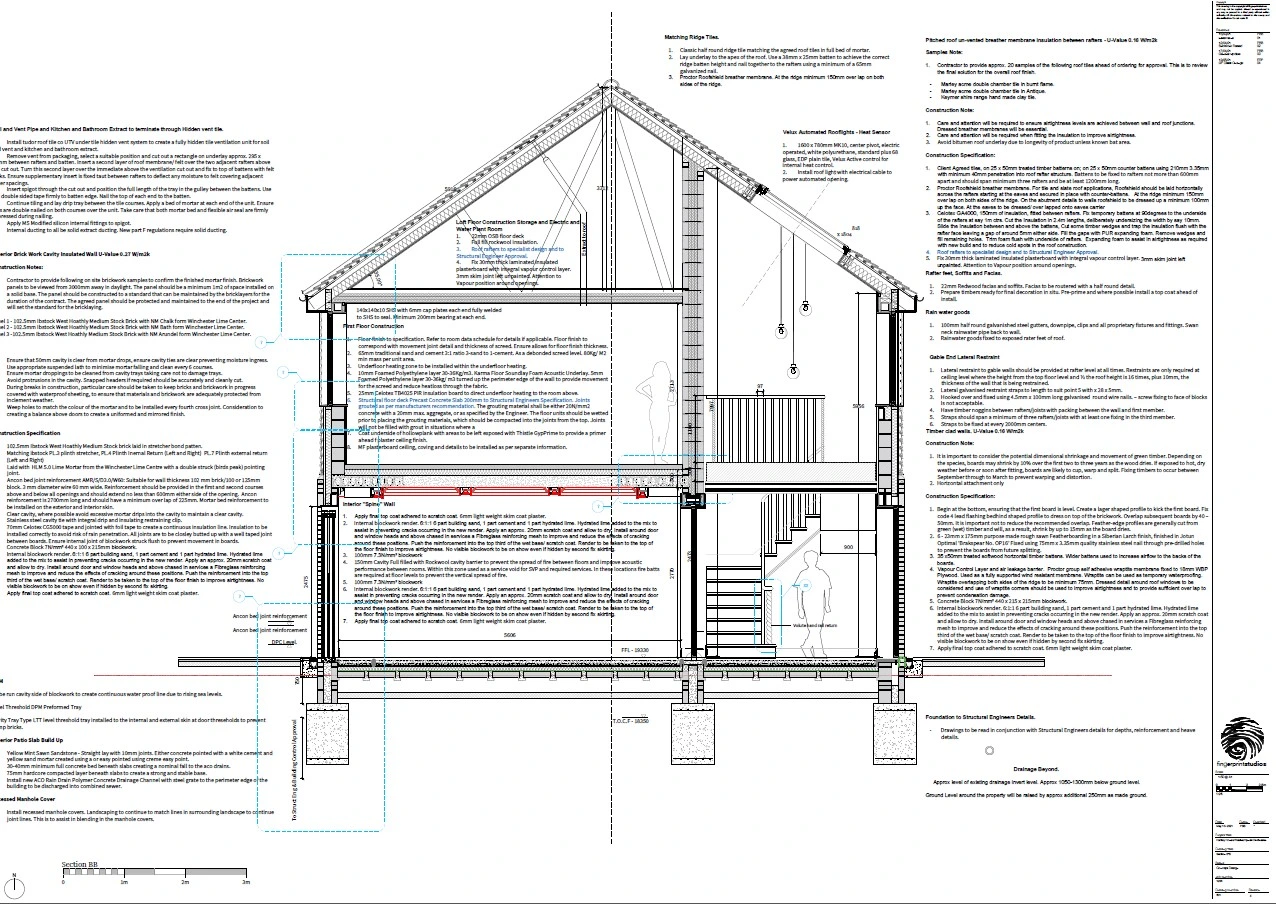
Depending upon the project, evidence might include drawings, specifications, calculations, schedules, consultant information and other technical documentation.
The exact information required will vary according to the proposed work.
As Principal Designer, our role is to help coordinate the relevant designers and ensure that Building Regulations considerations are incorporated into the developing design within the scope of our appointment.
Managing Design Changes During a Project
Buildings frequently evolve after the initial design has been developed.
A client may change their requirements, site conditions may require an alternative solution, or a contractor may propose different materials or construction methods.
Changes are a normal part of many construction projects, but they need to be properly considered.
A seemingly minor alteration can affect several areas of Building Regulations compliance.
For example, changing a window, door, wall construction, structural element or insulation specification may have consequences for thermal performance, ventilation, fire safety, accessibility or other aspects of the design.
Effective Principal Designer coordination helps ensure that relevant designers are made aware of changes and that their potential impact on compliance is considered.
Information Sharing and Cooperation
Successful Building Regulations compliance relies on good communication.
Designers need sufficient information about the project and the work of other consultants to understand how their designs interact.
Similarly, contractors need appropriate design information to construct the building in accordance with the compliant design.
The Principal Designer therefore has an important role in facilitating cooperation and communication between relevant dutyholders during the design phase.
At Fingerprintstudios, we aim to create a clear route for design information, queries and decisions so that compliance issues can be addressed efficiently.
Principal Designer and Principal Contractor
The Principal Designer and Principal Contractor have distinct but complementary responsibilities.
The Principal Designer has primary responsibility for coordinating Building Regulations matters relating to design work during the design phase, while the Principal Contractor has corresponding responsibilities relating to building work during the construction phase.
Communication between the two roles is particularly important when contractors or specialist subcontractors undertake design work.
Elements of a project may continue to be designed or developed after construction has begun. The Principal Designer and Principal Contractor therefore need to cooperate and share relevant information where design and construction activities overlap.
This helps maintain continuity between the compliant design and the building work undertaken on site.
Building Control and the Principal Designer
The Principal Designer and Building Control perform different roles.
Building Control assesses Building Regulations compliance as part of the regulatory process. The Principal Designer, meanwhile, is a project dutyholder responsible for planning, managing, monitoring and coordinating design work in relation to compliance.
Appointing a Principal Designer does not replace the requirement for Building Control involvement where applicable.
Equally, receiving comments or approval through the Building Control process does not remove the responsibilities placed upon clients, designers, contractors and other dutyholders.
Understanding this distinction is important when establishing roles and responsibilities at the beginning of a project.
CDM Principal Designer vs Building Regulations Principal Designer
One area that can cause confusion is the existence of two Principal Designer roles within the construction industry.
The CDM Principal Designer is a dutyholder under the Construction (Design and Management) Regulations 2015. That role is primarily concerned with managing and coordinating health and safety during the pre-construction phase.
The Building Regulations Principal Designer is concerned with planning, managing, monitoring and coordinating design work so that the design complies with the Building Regulations.
Although there can be overlap in terms of project coordination, they are legally distinct roles with different responsibilities.
Depending on the project and the competence of the organisation involved, the same architectural practice may potentially undertake both appointments. However, the appointments and associated duties should be clearly identified.
Fingerprintstudios can discuss these responsibilities with clients at the outset and establish the appropriate scope of services for a particular project.
Why Appoint an Architect as Building Regulations Principal Designer?
Architects frequently occupy a central position within the design team.
We coordinate layouts, materials, construction details and information produced by specialist consultants while maintaining an overview of how the individual elements come together to create the finished building.
This makes architectural design and Building Regulations design coordination closely related activities.
Where appropriately competent and appointed, an architectural practice acting as Principal Designer can integrate compliance considerations into the wider architectural and technical design process.
At Fingerprintstudios Architects, our objective is to create buildings that are well considered architecturally while also being technically resolved and appropriately coordinated.
Building Regulations Principal Designer Services from Fingerprintstudios Architects
Our Principal Designer services can support a variety of building projects, including new-build properties, extensions, conversions, refurbishments, commercial projects and alterations to existing buildings.
The first stage is understanding the proposed work and establishing the designers and other dutyholders likely to be involved.
We can then determine the appropriate scope of our Principal Designer appointment and establish how design information and Building Regulations compliance will be coordinated.
By considering compliance throughout design development, we aim to identify issues earlier, improve communication between designers and reduce the risk of avoidable compliance problems emerging later in the project.
Speak to Fingerprintstudios About Building Control Principal Designer Duties
If you are planning a building project involving more than one designer, it is important to establish your Building Regulations Principal Designer arrangements at an early stage.
Fingerprintstudios Architects can explain the Principal Designer requirements, discuss how they apply to your project and provide Principal Designer services where appropriate.
Our architectural and technical experience allows us to combine design coordination with a structured approach to Building Regulations compliance from the early design stages through to construction.
Contact Fingerprintstudios Architects to discuss your project and Building Regulations Principal Designer requirements.