CDM Principal Designer Services.
At Fingerprintstudios Architects, we provide professional Construction Design and Management (CDM) Principal Designer services, helping clients manage health and safety risks throughout the design and pre-construction stages of a project.
Under the Construction (Design and Management) Regulations 2015 (CDM 2015), a Principal Designer must be appointed on projects involving more than one contractor. Acting as Principal Designer, we work with clients, designers and contractors to identify foreseeable risks, coordinate design decisions and ensure health and safety is considered from the earliest stages of a project.
Talk to our team about your project
Let’s discuss your next project

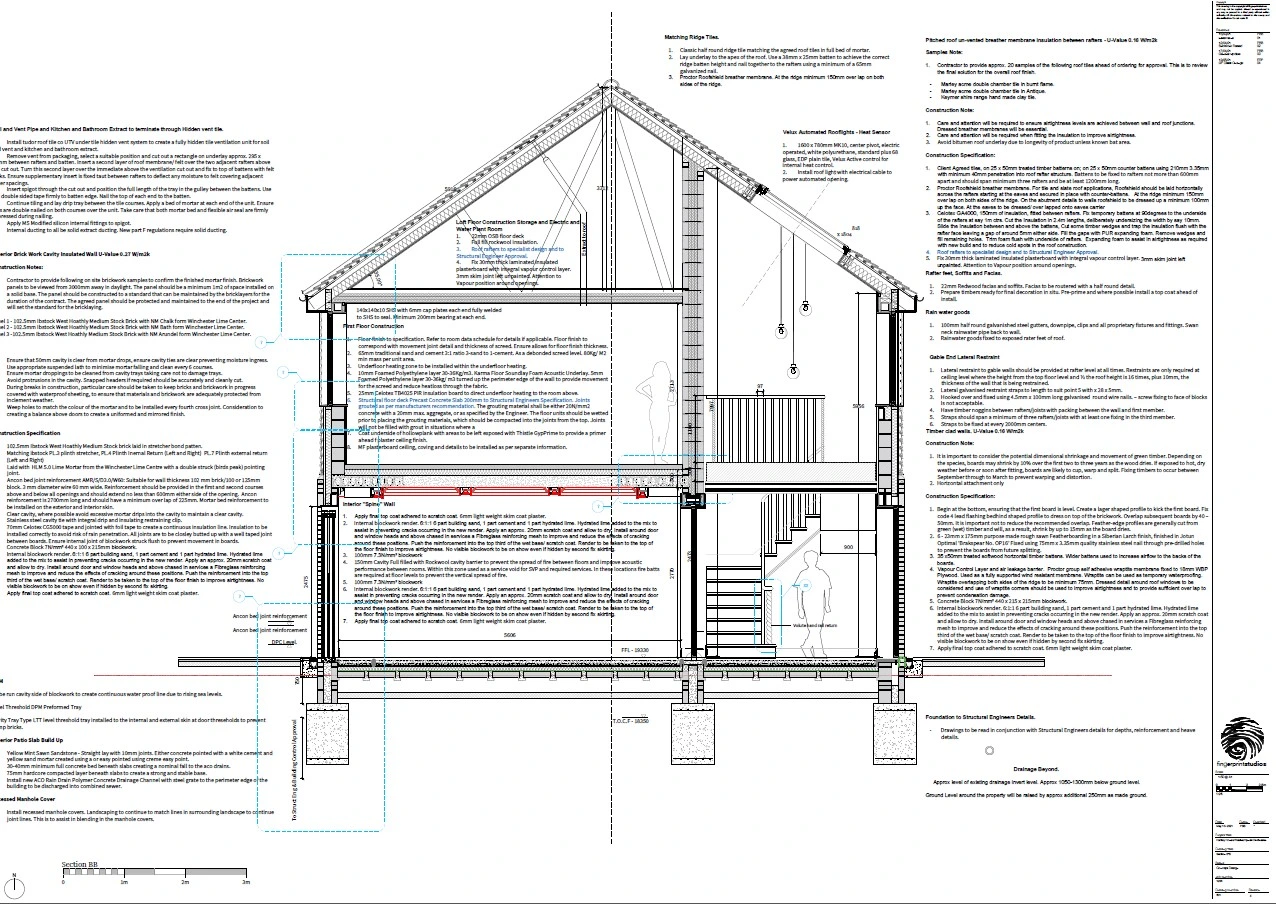
Supporting Safe, Well-Coordinated Building Projects
Great design is about more than how a building looks and functions. It also considers how it can be constructed, used, maintained and eventually altered or demolished safely.
Our architectural and technical understanding allows us to integrate CDM Principal Designer duties into the wider design process. We coordinate with the project team, review relevant design information and help ensure that significant foreseeable risks are identified and, wherever reasonably practicable, eliminated or reduced through design.
Whether you are planning a residential development, commercial building, refurbishment, extension or work to an existing property, our team can provide Principal Designer support appropriate to the scale and complexity of your project. Keeping the project safe and reducing risks in the design.
CDM Principal Designer Duties – A Guide for Clients
What Is a CDM Principal Designer?
The Principal Designer is a key dutyholder under the Construction (Design and Management) Regulations 2015. The role applies to construction projects where it is reasonably foreseeable that more than one contractor will be working on the project at any time.
The Principal Designer is appointed by the client and must have the appropriate skills, knowledge and experience — and, where an organisation is appointed, the organisational capability — to carry out the role.
The purpose of the role is to plan, manage, monitor and coordinate health and safety during the pre-construction phase. This means considering how design decisions could affect those constructing the building as well as people who will use, clean, maintain, repair, alter or eventually demolish it.
As Architects, we are already closely involved with design development, technical coordination and communication between consultants. Where appropriately appointed and competent to do so, undertaking the CDM Principal Designer role alongside architectural services can help integrate health and safety considerations into the design process from an early stage.
What Are the Principal Designer’s Duties Under CDM 2015?
The Principal Designer has a number of important responsibilities during the pre-construction phase.
A central duty is to plan, manage, monitor and coordinate this phase so that the project is carried out, so far as is reasonably practicable, without risks to health and safety.
This involves working with the wider design team to identify foreseeable risks associated with the proposed construction work. Where possible, risks should be eliminated through design. Where they cannot reasonably be eliminated, measures should be considered to reduce or control them, with relevant information communicated to those who need it.
Principal Designer duties can include:
- Assisting the client in gathering and providing relevant pre-construction information.
- Planning, managing and monitoring health and safety during the pre-construction phase.
- Coordinating health and safety aspects of design work.
- Helping designers comply with their individual duties under CDM 2015.
- Identifying foreseeable risks and considering how these can be eliminated, reduced or controlled through design.
- Facilitating cooperation and communication between designers and other members of the project team.
- Liaising with the Principal Contractor and sharing relevant information.
- Preparing and developing the health and safety file during the project and ensuring it is appropriately handed over.
The exact requirements will depend on the nature, scale and complexity of the project.
When Do You Need to Appoint a Principal Designer?
A client must appoint a Principal Designer in writing where a construction project involves, or is reasonably foreseeable to involve, more than one contractor.
This requirement is relevant to many projects, including those that might initially appear relatively straightforward.
For example, an extension or refurbishment may involve a main building contractor as well as specialist electrical, plumbing, roofing or other contractors. Consequently, CDM requirements are not limited to major commercial developments.
Appointments should be made as early as practicable in the design process and before the construction phase begins.
Early involvement allows health and safety considerations to influence the developing design rather than being addressed retrospectively once key decisions have already been made.
CDM Regulations and Domestic Clients
CDM 2015 also applies to domestic clients undertaking construction work on their own home where the project falls within the scope of the regulations.
However, the way client duties are managed differs from commercial projects. On qualifying domestic projects, duties that would otherwise fall to the domestic client normally pass to other dutyholders in accordance with the regulations.
For homeowners considering a substantial extension, renovation, conversion or new-build property, having an architect who understands CDM requirements can therefore be particularly useful.
We can explain how the regulations relate to your proposed project and establish the appropriate roles and responsibilities at an early stage.
Integrating Health and Safety into Architectural Design
Effective CDM coordination should not be treated as a separate exercise carried out once the building has already been designed.
Instead, health and safety should form part of the design process itself.
Architectural decisions can influence construction methods, access requirements, maintenance strategies and many other aspects of a building’s long-term safety.
During design development, consideration might therefore be given to issues including access for construction, working at height, structural alterations, existing site conditions, maintenance access, glazing, roof access, heavy components and the sequencing of construction work.
The objective is not simply to produce a list of potential hazards. It is to use good design and coordination to remove unnecessary risks wherever reasonably practicable and ensure significant residual risks are understood by the people who need to manage them.
Pre-Construction Information
An important aspect of CDM compliance is ensuring designers and contractors have access to appropriate information about the project.
Known as pre-construction information, this can include relevant details about the site, existing structures, previous use, surveys, services, ground conditions and other factors that could influence health and safety.
The information required varies considerably between projects.
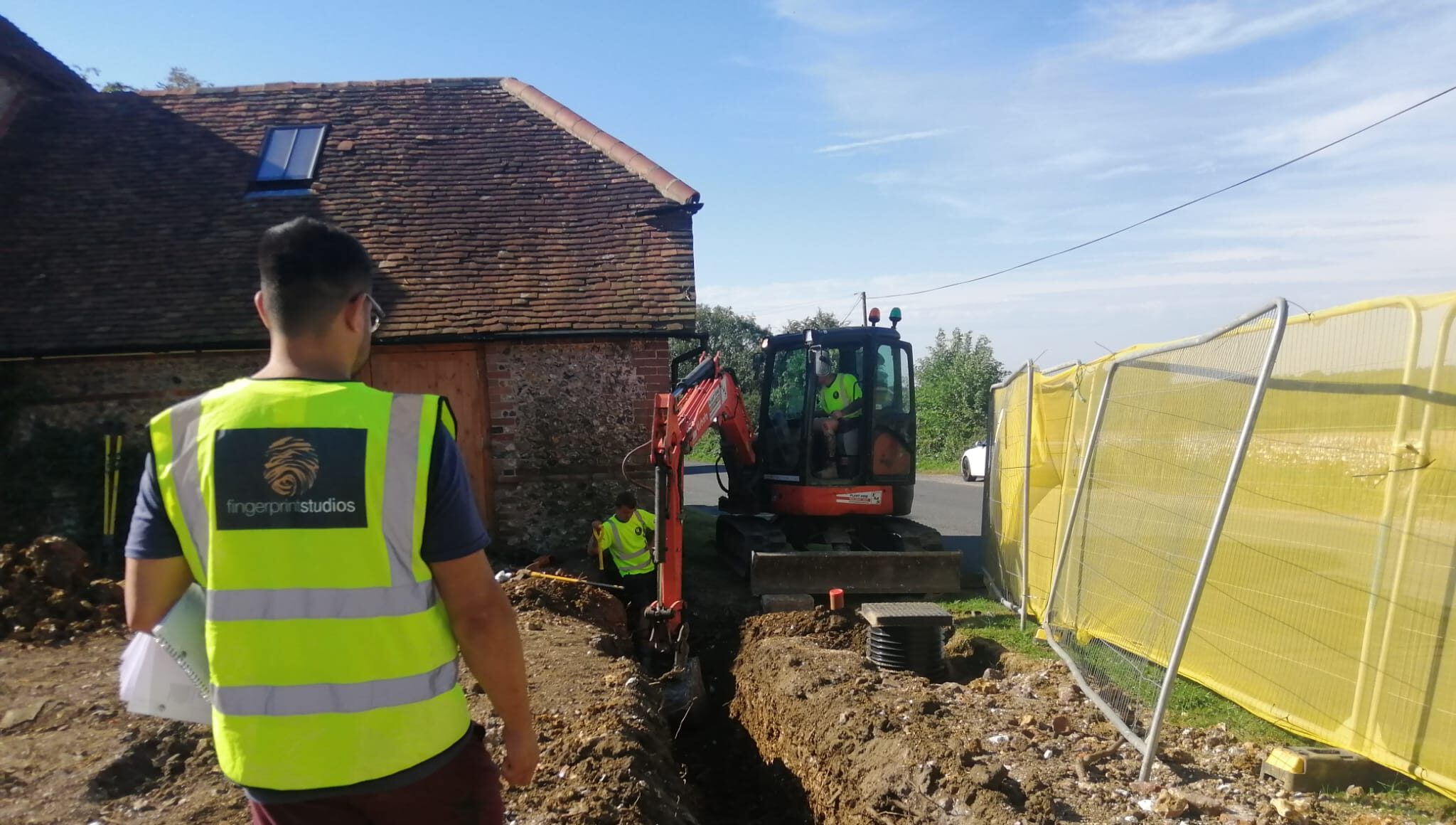
For refurbishment and alteration work, for example, understanding the existing building can be particularly important. Existing drawings, structural information, asbestos surveys, utility information and other investigations may need to be considered.
As Principal Designer, we can assist the client in identifying relevant information and help ensure it is communicated appropriately to the design and construction teams.
Coordination Between Designers and Contractors
Modern building projects frequently involve several specialist consultants and designers.
Depending on the project, this might include us as your architect, structural engineers, civil engineers, mechanical and electrical consultants, energy specialists, landscape designers and specialist subcontractors.
Effective communication between these parties is therefore fundamental to ensure that proposals are effectively considered with CDM in mind.
The Principal Designer has an important coordination role during the pre-construction phase, helping ensure designers understand their CDM responsibilities and that significant health and safety information is shared.
As the project develops towards construction, liaison with the Principal Contractor also becomes important so that relevant design information and residual risks can be communicated effectively.
The Health and Safety File
For projects requiring a Principal Designer, a health and safety file must be prepared, reviewed and updated as the project progresses.
The file contains information likely to be needed to protect health and safety during future work on the building.
Rather than containing every document generated during construction, it should provide relevant information that could assist people undertaking future maintenance, refurbishment, alteration or demolition.
During the pre-construction phase, the Principal Designer is responsible for preparing and developing the file. If the Principal Designer’s appointment ends before the project is completed, responsibility for the file passes to the Principal Contractor.
At completion, the health and safety file is ultimately provided to the client for safekeeping and future use.
Why Appoint an Architect as CDM Principal Designer?
Architecture, technical design and CDM coordination are closely connected.
An architect involved throughout a project develops a detailed understanding of the building, existing conditions, proposed alterations, construction details and interfaces between different elements of the design.
Where the architect has the necessary competence and is appropriately appointed, this can make the Principal Designer role a natural extension of the architectural design and coordination process.
At Fingerprintstudios Architects, our approach is to consider CDM responsibilities alongside the wider objectives of the project. This allows health and safety considerations to be incorporated into design discussions rather than becoming a disconnected administrative exercise.
CDM Principal Designer Services from Fingerprintstudios Architects
Every construction project presents a different combination of design, technical and health and safety considerations.
Our approach begins by understanding the project, the existing site or building, the proposed works and the consultants and contractors likely to be involved.
From there, we can establish the scope of our CDM Principal Designer services and coordinate the pre-construction phase appropriately.
By combining architectural knowledge with structured design coordination, our aim is to help clients meet their responsibilities while supporting a safe, practical and well-considered building project.
If you are planning a new build, extension, renovation, conversion, commercial development or work to an existing building, speak to Fingerprintstudios Architects about Principal Designer requirements at the earliest stage of your project.
Speak to Fingerprintstudios About CDM Principal Designer Duties
If your proposed construction project will involve more than one contractor, it is important to consider your CDM responsibilities early.
Fingerprintstudios Architects can advise on the CDM Principal Designer role, explain how the requirements relate to your project and, where appropriate, provide Principal Designer services alongside our wider architectural work.
Contact Fingerprintstudios Architects to discuss your project and CDM Principal Designer requirements.