Interior Design in Surrey & Hampshire: Creating Beautiful Countryside Homes
The countryside homes of Surrey and Hampshire offer a unique blend of heritage, character, and natural beauty. From quaint thatched cottages in historic villages to converted barns and farmhouses, these properties have a timeless appeal.
However, countryside interiors require a balanced approach – older homes may need sympathetic restoration, while modern rural properties must combine functionality with a strong connection to nature. This guide explores interior design principles that respect heritage while embracing modern living, tailored for countryside homes in the UK.
Understanding Countryside Architecture
Cottages & Period Homes (Tudor, Georgian, Victorian, Edwardian)
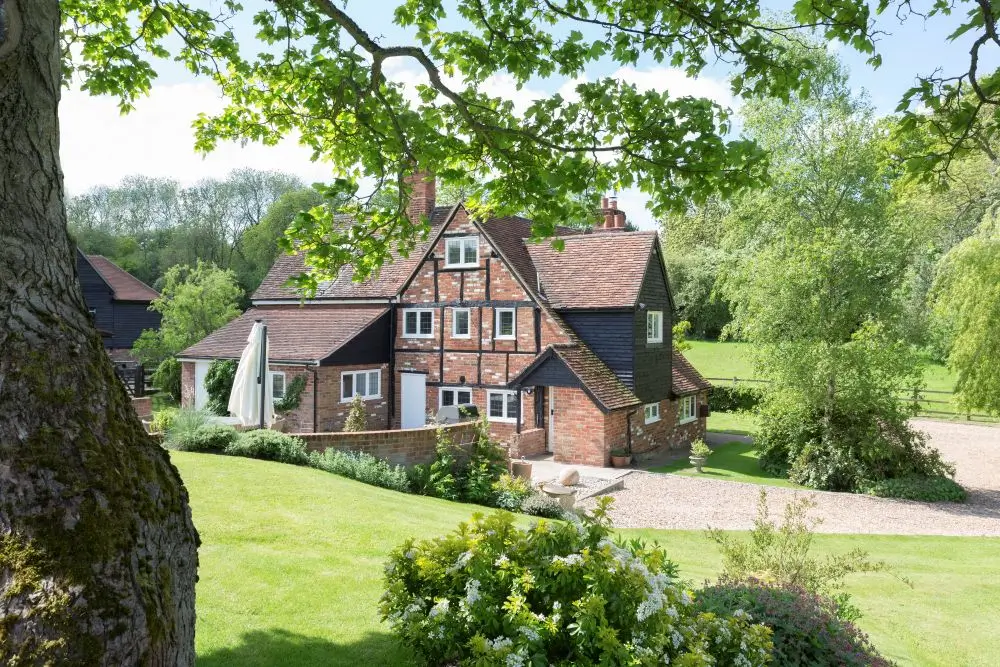
- Found in areas like Godalming, Farnham, and Petersfield, these homes feature low ceilings, exposed beams, and inglenook fireplaces.
- Thick brick or stone walls make insulation and temperature control key considerations.
- Many are in conservation areas, meaning modifications require careful planning approval.
Barn Conversions & Farmhouses
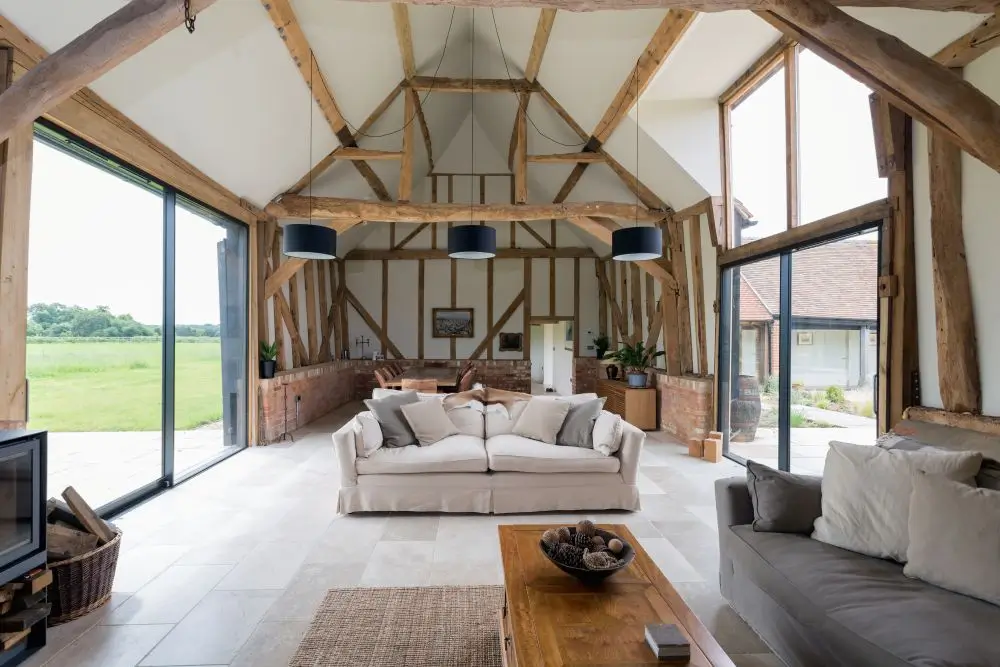
- Common in rural Surrey and Hampshire, these homes typically have vaulted ceilings and open-plan layouts.
- A challenge with large spaces is maintaining a sense of warmth—zoning with furniture, layered lighting, and textiles is key.
- Many converted barns use industrial materials (steel-framed windows, polished concrete floors), blending rustic and contemporary aesthetics.
Modern Rural Homes
- Many new builds in Guildford, Alresford, and Winchester combine minimalist, open-plan designs with sustainability features
- Homes often feature heritage-style steel-framed windows and large glazed doors to maximize natural light and views.
Key Interior Design Principles for Countryside Homes
1. Honouring Natural Materials
Country homes should celebrate authentic, local materials to create a warm, inviting atmosphere.
- Exposed timber beams, natural stone walls, and brick fireplaces should be preserved rather than concealed.
- Reclaimed oak, flagstone floors, and terracotta tiles add texture and historical depth.
- Local materials, such as Bartlett stone from Godalming or Bath stone for fireplaces, connect the home to its region.
Tip: If original beams feel too dark, limewashing them can brighten the space while retaining texture.
2. Creating Warm & Cosy Living Spaces
Rural homes are designed for comfort and warmth, particularly in colder months.
- Wood-burning stoves & open fireplaces are staples in country homes, ideal for creating focal points in living rooms and kitchens.
- Layering textiles like linen, wool, and tweed adds warmth and softens harder materials like stone and wood.
- Rug layering over timber or flagstone floors provides insulation and comfort.
Tip: In rooms with high ceilings, use statement pendant lights or oversized lamps to bring warmth down to eye level.
3. Bringing the Outside In
A countryside setting is one of the biggest assets of rural homes. Interiors should be designed to enhance natural views and maximize natural light.
- Steel-framed windows and timber-framed doors offer unobstructed countryside views.
- Garden rooms, conservatories, or orangeries create a seamless indoor-outdoor connection.
- A natural colour palette inspired by the Surrey Hills and South Downs—earthy greens, soft greys, and warm taupes—blends interiors with the surrounding landscape.
Tip: Antique or reclaimed mirrors work best in period homes, reflecting light while maintaining character.
4. Modernising Without Losing Character
Many countryside homes require modern upgrades but should retain their original charm.
- Shaker-style kitchens in sage green, navy, or warm neutrals pair beautifully with period homes.
- Underfloor heating beneath stone floors provides warmth without visible radiators—ideal for barn conversions.
- Exposed beams with modern lighting create a balance between traditional and contemporary design.
Tip: In modern rural homes, consider industrial elements like polished concrete, steel accents, and minimalist furniture to contrast with natural wood and stone features.
For insights on blending heritage aesthetics with contemporary living, particularly in urban and coastal settings like Portsmouth, explore our article on Interior Design in Portsmouth: Blending Heritage with Contemporary Living.
5. Storage & Practicality for Rural Living
Rural homes need smart storage solutions to accommodate outdoor living, pets, and seasonal changes.
- Boot rooms are essential in country homes, providing storage for wellies, coats, and wet weather gear.
- Built-in alcove shelving works well in cottages with uneven walls, making the most of awkward spaces.
- Larders and freestanding pantry cupboards are more authentic for period homes than built-in kitchen storage.
Tip: In homes with low ceilings, use wall panelling painted in neutral tones to make walls feel taller without needing tall shelving.
Sustainability & Energy Efficiency in Countryside Homes
- Sheep’s wool insulation is breathable and eco-friendly, ideal for older properties.
- Secondary glazing improves energy efficiency without altering original sash windows.
- Solar panels & ground-source heat pumps are increasingly used in larger rural homes, but planning restrictions apply in some conservation areas.
- Zoned heating systems prevent energy waste in large farmhouses or barn conversions.
Tip: Always check planning permissions before installing solar panels or external heat pumps, especially in protected areas like Winchester and Haslemere.
Case Study: Transforming a Victorian Cottage
The Challenge:
A Victorian cottage in Surrey needed modernisation without losing its rustic charm. The homeowners wanted more natural light, better storage, and improved insulation.
The Solution:
- Knocked through the kitchen and dining room to create an open-plan space while retaining period details.
- Restored the original inglenook fireplace and added a wood-burning stove with a Bath stone surround.
- Installed a bespoke boot room with bench seating, coat hooks, and a hidden dog bed.
- Used a soft, natural palette with Farrow & Ball’s “Shaded White” in matte finish for walls and “French Gray” eggshell for cabinetry.
Result: The home became brighter, warmer, and more functional without losing its countryside character.
Final Thoughts
Interior design for countryside homes in Surrey and Hampshire is about more than just aesthetics – it’s about creating spaces that embrace the beauty of rural living. From maximising natural light to choosing materials that complement the surrounding landscape, thoughtful design can enhance both the look and feel of a countryside home.
By focusing on comfort, practicality and a connection to nature, homeowners can create interiors that feel warm, inviting, and deeply in tune with their environment. Whether you’re updating a traditional farmhouse or designing a modern country retreat, our team of Interior Designers in Surrey and Hampshire can help bring your vision to life with designs that reflect both your lifestyle and the natural charm of the countryside.